What are Opioids?
OPIOID RESPONSE
Opioids are a class of natural, semi-synthetic, and synthetic drugs that include both prescription medications and illegal drugs like heroin. Prescription medications such as oxycodone (OxyContin®), hydrocodone (Vicodin®), morphine, codeine, fentanyl, and others are mainly used for the treatment of pain. They can also help treat cough or diarrhea. However, like illegal opioids, prescription opioids can be addictive, particularly if they are misused.
Natural opioids, such as morphine, codeine, opium, and thebaine are made from the seed pods of the opium poppy plant. These natural substances are also known as opiates.
Semi-synthetic opioids, such as heroin and the pain relievers oxycodone, hydrocodone, and oxymorphone, are made in laboratories by chemically processing natural opioids.
Synthetic opioids, such as fentanyl are manufactured entirely in laboratories, with no natural ingredients.1
Opioids differ in their strength, or potency. For example, fentanyl is 50 to 100 times more potent than morphine.2 This means that even small doses of fentanyl can be fatal. Fentanyl can be even more dangerous when it is mixed with other drugs. This can happen without the knowledge of the person taking them.3
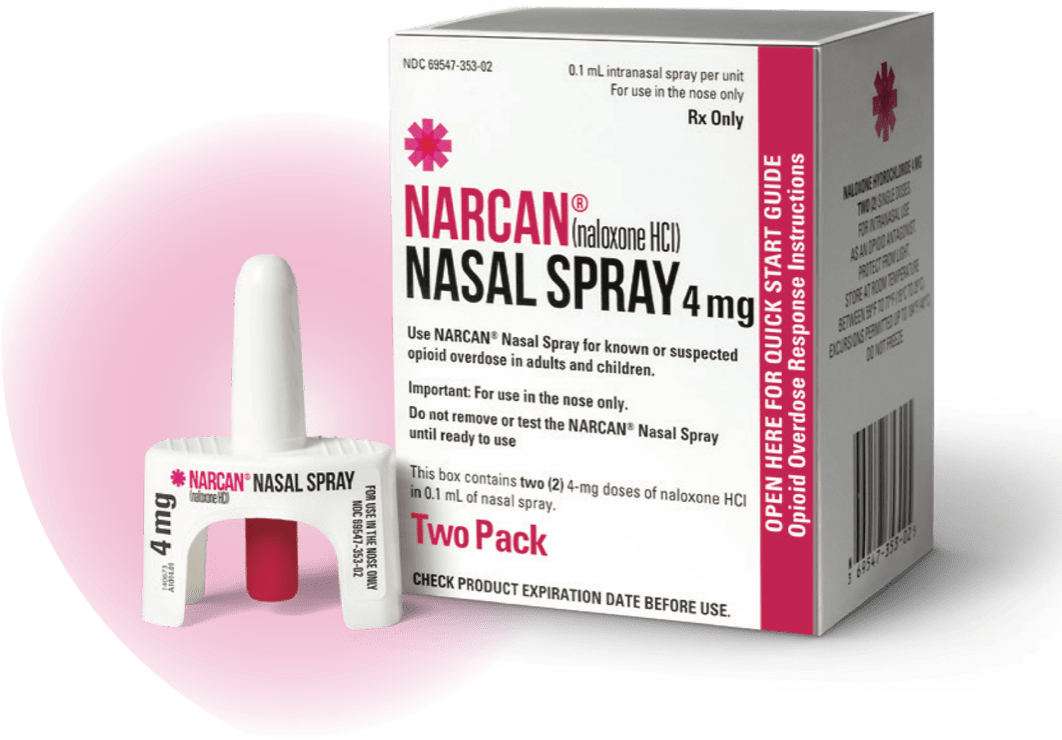
NARCAN
Consider making
NARCAN® Nasal Spray part of your at-home safety plan.
Keep opioids in a locked cabinet, away from anyone at risk of accidental ingestion, especially children.
Educate loved ones on how to recognize an opioid overdose.
Be sure to have NARCAN®, an opioid overdose treatment, in your home and household members know where it is stored.
Ask your Pharmacist how to properly dispose of unused/unwanted medication.
The Problem
Thousands of college students and young adults die due to drug overdose each year in the United States (7,653 individuals ages 18-25 in 2021 per CDC WONDER). The most common causes are accidental fentanyl intake and mixed use of 2+ drugs, including alcohol, simultaneously.
Each one of these fatalities could have been prevented. The irreparable tragedy for thousands upon thousands of families could have been prevented. Yet, the failure of previous approaches to substance use education means these young lives were lost before they were able to reach their full potentials.
These preventable deaths are so much more than the young adult who did not survive - they each mark dozens of parents, siblings, friends, class and team mates whose lives are forever scarred by these losses.
There is a solution - The TACO Team has prevented over 1,000 student overdose deaths since launching in 2020.
Introduce your brand
Opioids/Prescription Drugs
In 2019, according to the National Survey on Drug Use and Health, there were 10.1 million people age 12 or older who misused opioids in the past year. The vast majority of people misused prescription pain relievers. Recently released data shows that over 93,000 drug overdose deaths were reported in 2020 – the highest on record and nearly a 30 percent increase from 2019.
Addressing the overdose and addiction crisis is an urgent priority for the Administration. Across the continuum of care, SAMHSA/CSAP’s prevention strategies work to prevent or delay the use and misuse of substances, mitigate problems among populations at risk for substance use, and prevent the onset of substance abuse among populations showing early signs of substance abuse and related problem behaviors
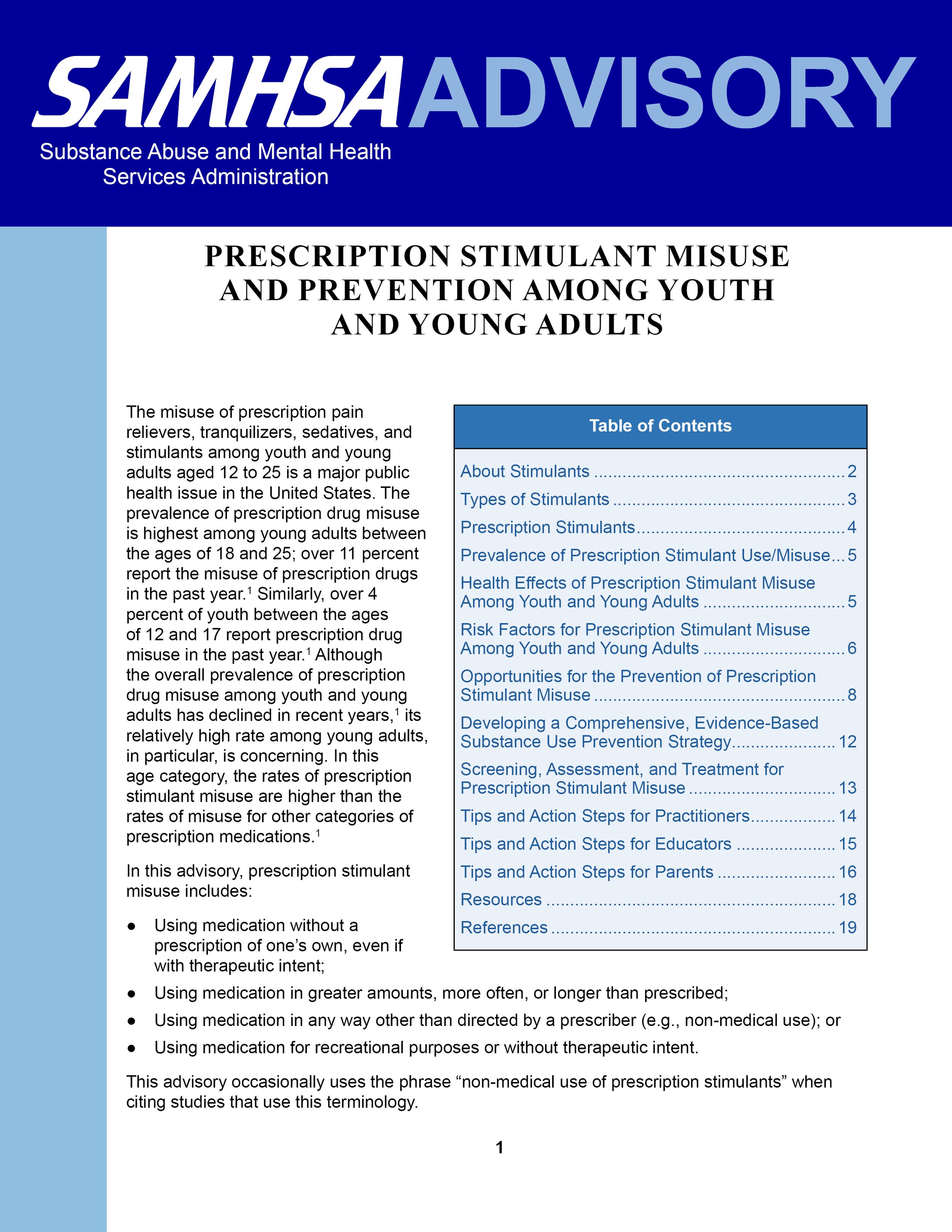

Just Scan! This PDF file elaborates on the picture to the left. If there is something specific you’d like to look up you can find the table of contents also on the picture to left!
Again, this is on the SAMHSA ADVISORY: Prescription stimulant misuse and prevention among youth and young adults
Medications For Opioid…
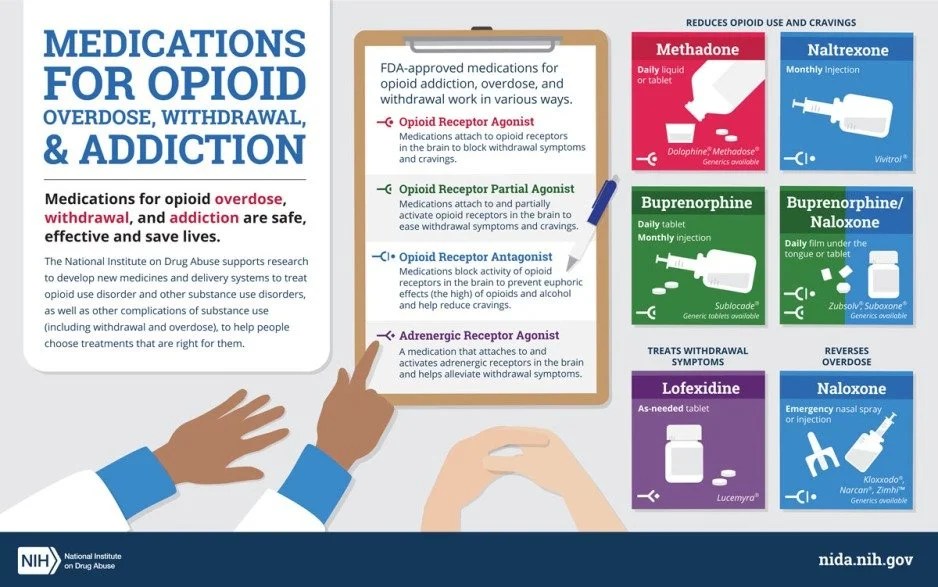
Medications for Opioid Use Disorder Infographic
This infographic shows the different types of medications prescribed for opioid overdose, withdrawal, and addiction.
Medications for opioid overdose, withdrawal, and addiction
Medications for opioid overdose, withdrawal, and addiction are safe, effective and save lives.
The National Institute on Drug Abuse supports research to develop new medicines and delivery systems to treat opioid use disorder and other substance use disorders, as well as other complications of substance use (including withdrawal and overdose), to help people choose treatments that are right for them.
FDA-approved medications for opioid addiction, overdose, and withdrawal work in various ways.
Opioid Receptor Agonist: Medications attach to opioid receptors in the brain to block withdrawal symptoms and cravings.
Opioid Receptor Partial Agonist: Medications attach to and partially activate opioid receptors in the brain to ease withdrawal symptoms and cravings.
Opioid Receptor Antagonist: Medications block activity of opioid receptors in the brain to prevent euphoric effects (the high) of opioids and alcohol and help reduce cravings.
Adrenergic Receptor Agonist: A medication that attaches to and activates adrenergic receptors in the brain and helps alleviate withdrawal symptoms.
https://nida.nih.gov/research-topics/opioids/medications-opioid-overdose-withdrawal-addiction-infographic
ALCOHOL

What’s the Big Deal?
“What’s the big deal? It’s only a sip.” So many adults justify giving teens alcohol by making this statement or believing that teens are safe while under their supervision. The big deal is that in the United States, the legal age of alcohol consumption is 21 years old and more than 3,500 youth lose their lives each year to excessive drinking.
Unfortunately for some teens, drinking occasionally with adults creates an open door to continue illegal alcohol consumption with or without an adult. Underage drinking can cause serious consequences. We need to do what we can to protect our youth from potential death or serious injury that alcohol can cause. As we know, teens already have a difficult time making healthy choices for themselves and consuming alcohol impairs their judgment even more.
According to the CDC, youth who drink alcohol are more likely to experience:
School problems, such as higher rates of absences or lower grades
Social problems, such as fighting or lack of participation in youth activities
Legal problems, such as arrest for driving or physically hurting someone while drunk
Physical problems, such as hangovers or illnesses
Unwanted, unplanned and unprotected sexual activity
Disruption of normal growth or sexual development
Physical and sexual violence
Increased risk of suicide and homicide
Alcohol-related motor vehicle crashes and other unintentional injuries, such as burns, falls or drowning
Memory problems
Misuse of other substances
Changes in brain development that may have life-long effects
Alcohol poisoning
Alcohol abuse in teens is a problem we can’t ignore! As influencers to our youth, we can take steps to prevent teens from drinking or continuing to drink. This effort can start in our homes by not having alcohol available in the house or locking it away so teens can’t access it. This simple step can make it much harder for teens to get their hands on alcohol, since they aren’t able to legally purchase it in stores.
Most importantly, we have to be the best role model to our youth. According to the CDC, teens are more likely to drink or binge alcohol if their parents are drinkers. If we display alcohol use or abuse regularly to our teens, it will make it a normal behavior. We can make a point to show our teens that we can have fun, socialize or cope without the use of alcohol. We can lead by example and show a healthy lifestyle.
One of the main reasons why teens choose to drink alcohol is because of stress. As adults, we can help teens by giving them healthy coping skills to use when they are in a stressful state so that they do not reach for alcohol to cope. Healthy coping skills include meditating, listening to music, exercising and reading.
As you can see, underage drinking is a big deal! If you are looking for credible sources for information on teens and alcohol use, please visit the National Institute on Alcohol Abuse and Alcoholism or the Centers for Disease Control and Prevention.
Marion Collins
ALCOHOL’S EFFECT ON HEALTH
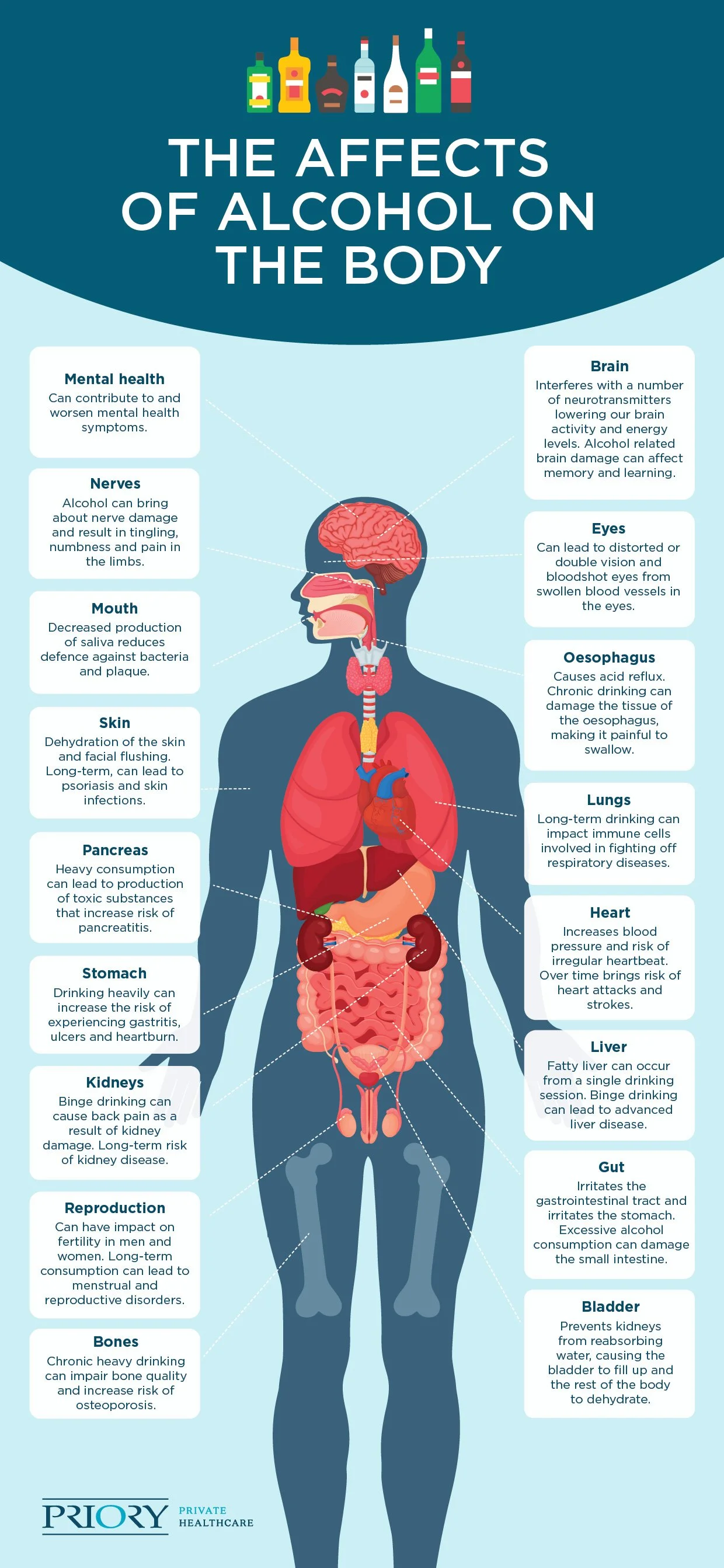
Drinking too much – on a single occasion or over time – can take a serious toll on your health. Here’s how alcohol can affect your body:
Brain:
Alcohol interferes with the brain’s communication pathways, and can affect the way the brain looks and works. These disruptions can change mood and behavior, and make it harder to think clearly and move with coordination.
Heart:
Drinking a lot over a long time or too much on a single occasion can damage the heart, causing problems including:
Cardiomyopathy – Stretching and drooping of heart muscle
Arrhythmias – Irregular heart beat
Stroke
High blood pressure
Liver:
Heavy drinking takes a toll on the liver, and can lead to a variety of problems and liver inflammations including:
Steatosis, or fatty liver
Alcoholic hepatitis
Fibrosis
Cirrhosis
Pancreas:
Alcohol causes the pancreas to produce toxic substances that can eventually lead to pancreatitis, a dangerous inflammation in the pancreas that causes its swelling and pain (which may spread) and impairs its ability to make enzymes and hormones for proper digestion.
Cancer:
According to the National Cancer Institute (NCI): "There is a strong scientific consensus that alcohol drinking can cause several types of cancer. In its Report on Carcinogens, the National Toxicology Program of the US Department of Health and Human Services lists consumption of alcoholic beverages as a known human carcinogen.
"The evidence indicates that the more alcohol a person drinks–particularly the more alcohol a person drinks regularly over time–the higher his or her risk of developing an alcohol-associated cancer. Even those who have no more than one drink per day and people who binge drink (those who consume 4 or more drinks for women and 5 or more drinks for men in one sitting) have a modestly increased risk of some cancers. Based on data from 2009, an estimated 3.5% of cancer deaths in the United States (about 19,500 deaths) were alcohol related."
Clear patterns have emerged between alcohol consumption and increased risks of certain types of cancer:
Head and neck cancer, including oral cavity, pharynx, and larynx cancers.
Esophageal cancer, particularly esophageal squamous cell carcinoma. In addition, people who inherit a deficiency in an enzyme that metabolizes alcohol have been found to have substantially increased risks of esophageal squamous cell carcinoma if they consume alcohol.
Liver cancer.
Breast cancer: Research has shown an important association between alcohol consumption and breast cancer—even one drink per day can increase a woman's risk for breast cancer by 5% to 15% compared to women who do not drink at all.
Colorectal cancer.
For more information about alcohol and cancer, please visit the National Cancer Institute's webpage "Alcohol and Cancer Risk" (last accessed June 6, 2024).
Immune System:
Drinking too much can weaken your immune system, making your body a much easier target for disease. Chronic drinkers are more liable to contract diseases like pneumonia and tuberculosis than people who do not drink too much. Drinking a lot on a single occasion slows your body’s ability to ward off infections – even up to 24 hours after getting drunk.
https://www.niaaa.nih.gov/alcohols-effects-health/alcohols-effects-body
PREVENTION ARTICLES
Youth, Teacher & Parent PPW Resources (preventionpluswellness.com)
ADDITIONAL RESOURCES
https://www.cdc.gov/coronavirus/2019-ncov/daily-life-coping/stress-coping/alcohol-use.html
SAMHSA’s “Talk. They Hear You.” Choices PSA—30 Seconds - YouTube
~This article on “Talk. They Hear You.” elaborates on what you can do to help your teen understand underage drinking. It is so important to discuss the consequences on underage drinking and how it can effect them and people around them.

How much do you know?
Scan the QR to find out!
Nebraska: EXCESSIVE ALCOHOL
Excessive alcohol use can harm your health. It includes binge drinking, defined as consuming 5 or more drinks for men or 4 or more drinks for women on an occasion, heavy drinking, defined as 15 or more drinks for men or 8 or more drinks for women per week, and any alcohol use by pregnant women or people younger than 21.
Drinking too much is associated with:1
Violence.
Sexual risk behaviors.
Alcohol poisoning.
Injuries, such as motor vehicle crashes.
Cancer.
Liver disease.
High blood pressure.
Alcohol use disorder.
On This Page
Nebraska: The Numbers
700
More than 700
Average number of deaths from excessive drinking each year.
Source: Alcohol-Related Disease Impact application, during 2015–20192
$1.2 billion
or $1.61 per drink sold
Annual economic cost of excessive drinking due to lost productivity, criminal justice, and health care costs in 2010.3
$0.20 per drink sold
Total federal and state alcohol taxes in 2010.4
NATIONAL
17%
NEBRASKA
21%
Percentage of adults who binge drink.
Source: Behavioral Risk Factor Surveillance System, 20215
NATIONAL
14%
NEBRASKA
8%
Percentage of high school students who binge drink.
Source: Youth Risk Behavior Surveillance System, 20196
8+ drinks
per occasion
Among adults in Nebraska who binge drink, 25% consume at least 8 drinks per binge drinking occasion.
Source: Behavioral Risk Factor Surveillance System, 20215
4+ times
per month
Among adults in Nebraska who binge drink, 25% do so at least 4 times per month.
Source: Behavioral Risk Factor Surveillance System, 20215
What Works to Prevent Excessive Alcohol Use
The Community Preventive Services Task Force—an independent, nonfederal, volunteer body of public health and prevention experts—recommends several evidence-based strategies to reduce excessive alcohol use and related harms at the population level. These strategies can help communities create social and physical environments that encourage drinking less alcohol. Use of these strategies can reduce binge drinking and related outcomes, such as motor vehicle crashes, injuries, violence, and sexually transmitted infections.
Regulate Alcohol Outlet Density
Alcohol outlet density refers to the number and concentration of alcohol retailers (such as bars, restaurants, and liquor stores) in an area. Greater alcohol outlet density is associated with excessive alcohol use and related harms, including injuries and violence.7 Some states have local authority to regulate outlets at the local level, while in others, it is controlled by the state.
Nebraska has exclusive state alcohol retail licensing but with local zoning authority.8,9
Increase Alcohol Taxes
Alcohol taxes affect the price of alcohol and can reduce alcohol consumption, raise revenue, or both. Alcohol taxes can include excise, ad valorem, or sales taxes at the local, state, or federal level, all of which affect the price of alcohol.10
In Nebraska, state beer excise taxes are $0.31 per gallon, distilled spirits (liquor) excise taxes are $3.75 per gallon, and wine excise taxes are $0.95 per gallon.11 Communities have local authority to levy alcohol taxes with one or more major restrictions.12,13
Have Commercial Host (Dram Shop) Liability Laws
Commercial host liability, also known as dram shop liability, refers to laws that hold alcohol retailers liable for injuries or harms caused by illegal service to intoxicated or underage customers.14
Nebraska has commercial host liability with one or more major limitations.15,16
Maintain Limits on Days and Hours of Sale
States or localities may limit the days or hours that alcohol can legally be sold or served.17,18 These laws may apply to on-premises retailers (such as bars, restaurants, or clubs where alcohol is consumed on-site) or off-premises retailers (such as liquor, convenience, or grocery stores where alcohol is consumed off-site).
Nebraska cities, villages, and counties may regulate the hours (but not days) of on- and off-premises sales of all alcohol beverage types.19
Privatize Retail Alcohol Sales (recommended against)
The privatization of alcohol retail sales refers to the government allowing private, nongovernment retailers to sell alcoholic beverages (beer, distilled spirits, or wine).20
In Nebraska, the state government licenses private retailers to sell all alcohol beverage types.11
Enhanced Enforcement of Laws Prohibiting Sales to Minors
The minimum legal age when an individual can purchase alcoholic beverages is 21 years. An enhanced enforcement program initiates or increases compliance checks at alcohol retailers (such as bars, restaurants, and liquor stores).21,22